
Genomics, Biotechnology
&
Health Sciences Research Lab
Genomics, Biotechnology
&
Health Sciences Research Lab
Healthcare and biotechnology have emerged as one of the most challenging and in-demand domains in recent times. Advancements in this domain lead to innovations like wearable gadgets, medical devices, robotics surgery, new & effective treatment of diseases, control of an epidemic, and development of life-saving vaccines.
Our Genomics, Biotechnology & Health Sciences Research Lab provides children great exposure to Gene Editing and its applications, DNA sequencing technology, CRISPR, Plant biology, and therapeutics. This lab allows our young innovators to explore some of the top challenges in this domain, and brainstorm with fellow students to innovate solutions to meet these challenges.
At our Genomics, Biotechnology & Health Sciences Research Lab, we provide our students:
• Domain-specific
training.
• Activities to understand
domain concepts.
• One large project at
the end of the module.
• Domain-specific
training.
• Activities to understand
domain concepts.
• One large project at the end of the module.
• We leave our students by introducing them to some of the most pressing problems in the genomics, biotechnology & health sciences domain, encouraging them to find a solution later in their lives.
- Introduce you to the basic and advanced topics of these domains through interesting modules.
- Introduce you to some of the challenges in these domains and encourage you to brainstorm ways to solve them.
- Enable you to find your passion early and enable you to make better and more informed career decisions later in your life.
Genomics, Biotechnology &
Health Sciences Research Lab Curriculum
- Cellular Organization
- Organismal Organization
- Population Organization
Exercise: Hands-on exercise to co-relate Human Cells and World around us
This curriculum is inspired from XGEN101 – Fundamentals of Genetics Stanford School of Medicine Genetics and Genomics Program
- Fundamentals of human cell
- What is DNA?
- Introduction to DNA
- DNA & RNA: DNA vs RNA
- mRNA, rRNA, and tRNA: Functions | Types of RNA
- Protein Synthesis, DNA Transcription, and DNA Translation
- DNA Methylation
- Introduction to mRNA Vaccines
Exercise: Understand DNA coding and simulate DNA Code
This curriculum is inspired from XGEN101 – Fundamentals of Genetics Stanford School of Medicine Genetics and Genomics Program
- DNA, Gene, and Genome
- Alleles, Genotype, and Phenotype
- Punnett Square
- Epigenetics
Exercise: Understand Epigenetics and the impact of certain genes on the human body
- Gene Mutation
- Types of Mutation
- Spontaneous Mutation
- Induced Mutation
- Mutagens
- Repair Mechanism of Mutation
- Your Probability to get Superpower through some Rarest Mutations
Exercise: Design a protein shape that is capable of providing a shield from the virus mutations
This curriculum is inspired from XGEN102 – Genomics. Stanford School of Medicine Genetics and Genomics Program
- What is Genomics?
- A Short History of Genomics
- Why Genomics?
- Model Organism for Genomic Study Major Branches of Genomics
Exercise: Develop Co-relation between Animal Gene and Human Gene | 75 minutes.
This curriculum is inspired from XGEN102 – Genomics. Stanford School of Medicine Genetics and Genomics Program
- What is Genome Sequencing?
- Some Early DNA Sequencing Methods
- Second Generation Sequencing
- Third Generation Sequencing
- Genetics vs Genomics
- Explaining the DNA Sequencing Method
- Solving Crime
- Personalized Healthcare
- Cancer Genomics
- Studying eDNA (Environmental DNA) using DNA metabarcoding
- Detecting Mutations
- Parental Verification
- Identifying and developing GMO Plants in agriculture
- Microbial Identification and study of new species of bacteria and viruses
Exercise: Perform Gene Sequencing of Unknown DNA
- Introduction, Principle, and Goals of HGP A race to sequence the human genome Phases of HGP
- Technical Aspects of HGP
- Focus of the HGP
- Applications of the HGP
- Ethical, Legal, and Social Implications (ELSI) Whole Genome Sequencing and You
Exercise: Brainstorm and Develop Future Use of Human Genome Information
- Ten Bold Predictions
Exercise: Utilize the bold predictions and develop ways to make life better for human beings
This curriculum is inspired from XGEN203 – Genetics Engineering & Biotechnology Stanford School of Medicine Genetics and Genomics Program
- Introduction to Gene Editing
- Gene Editing tools (CRISPR/Cas9 Technology) Gene Editing and CRISPR/Cas9 Technology – How far should we go?
- Complications and Risks of Gene Editing: Ethical Issues in Gene Editing
Exercise: Bioethics Research Project
- Genetic Engineering Explained:
- Why Genetic Engineering?
- Genetic engineering and its future impact
- 15 Things You Didn’t Know About the Genomics Industry
- 10 Reasons Why Biotech is Booming –
- Impact of Genetic Engineering in Medicine.
- Genetic Engineering Application in Agriculture.
- Gene Drives to Lower Disease Transmission
- CRISPR Mediated Biofuels:
- Genomics in Organ Transplant
- Genetically Modified Organism (GMO)
- Genetically Modified Crops
Exercise: Hands-on Gene Editing using CRISPR/Cas9 Technology
This curriculum is inspired from XGEN201 – Principles & Practices of Gene Therapy Stanford School of Medicine Genetics and Genomics Program
- Gene Mutation & Genetic Diseases
- Introduction to Gene Therapy
- Some examples of Gene Therapy
Exercise: Understand and Simulate an Attempt to Develop a Cure for Cancer using TP53 Gene
This curriculum is inspired from XGEN205 – Personal Genomics & Your Health Stanford School of Medicine Genetics and Genomics Program
- How Personal Genomics impacts Healthcare
- Diagnosing and Treating Diseases with the help of Genomics (Example: Diabetes, Heart Diseases, Allergies, etc.)
Exercise: Research and Report Writing on Gene Therapy of a Genetic Disease
Some of the Innovations made by DiscoverSTEM Students
in this Research Lab are:
![US Patent [11766549]: Wearable device for managing alcohol-driven violence](https://discoverstem.info/wp-content/uploads/2022/02/Wearable-device-for-managing-alcohol-induced-violence-min.jpeg)
Wearable device for managing alcohol-driven violence
Patent Details:

Handheld device to detect lead compounds and impurities in water
(This innovation received ‘Honorable Mention’ at NASA Ames Space Settlement Design Challenge – 2018)
Patent Details:

Apparatus for sanitising products
Patent Details:
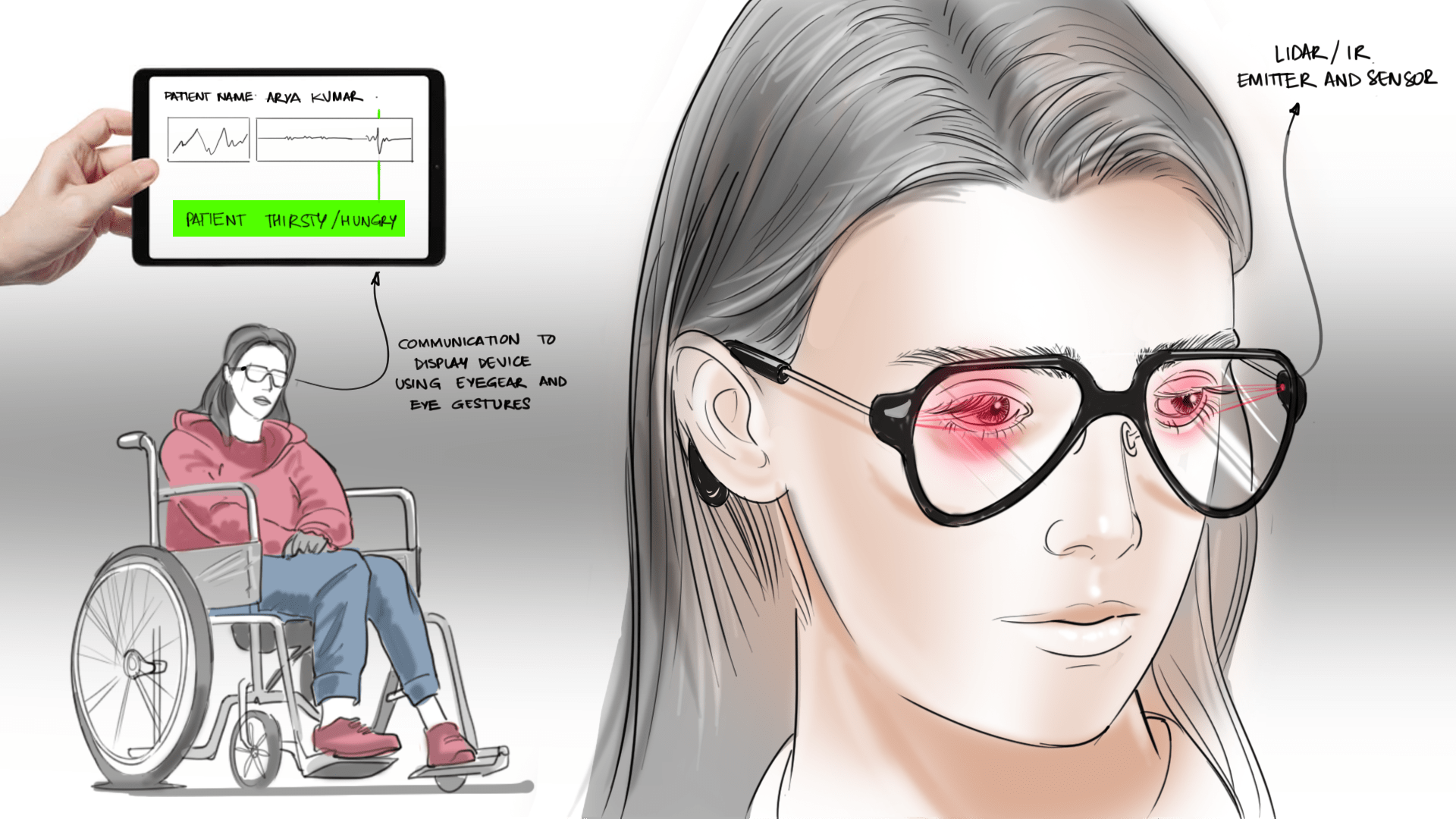
Method and apparatus for enabling communication of differently abled users
Patent Details:

Stress management system
(This innovation won 1st prize at Conrad Spirit of Innovation Challenge at NASA Kennedy Space Centre – 2016, held at NASA Kennedy Space Center)
Patent Details:

A system and a method for color-blind person to distinguish colors in a surrounding
Patent Details:

Surgical Image Processing and Reporting System (SIPORS)
Patent Pending
Patent Details:

System and method for contactless provisioning of elevator service
Patent Pending
Patent Details:

Wearable device to identify medical emergencies and notify
Patent Pending
Patent Details:

Automatic system to monitor health condition of an infant
Patent Pending
Patent Details:

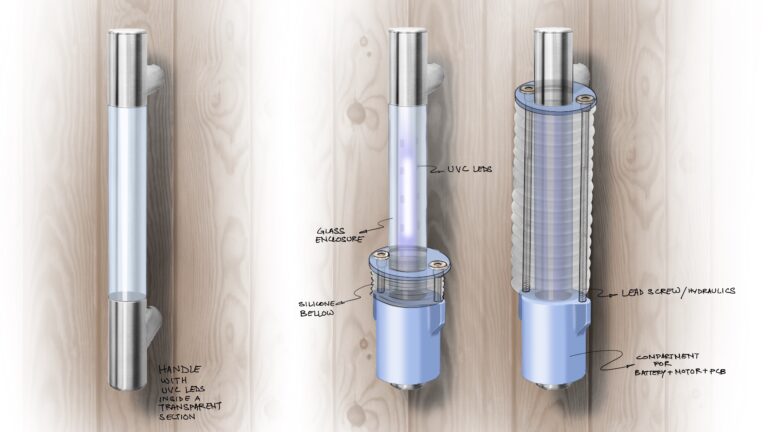
Self disinfecting door handle with
UV protection covering
Patent Pending
(This innovation was judged among the Top 80 Most Innovative Products Supporting United Nations’ Sustainable Development Goals at the Oslo Innovation Week 2022)

System to prevent ambulance
delays due to traffic
Patent Pending

